
Weak Mitochondria, Weak Life: How to Rebuild Your Energy at the Cellular Level
Brain Fog, Fatigue, Disease — All Traced Back to Your Mitochondria

Lately, I’ve been flooded with questions about mitochondrial health — and for good reason. These tiny engines inside your cells control your energy, mood, metabolism, even how fast you age. When they break down, everything breaks down.
The truth? Modern living is destroying them… but ancestral living can bring them back stronger than ever.
What Are Mitochondria — and Why Do They Matter?
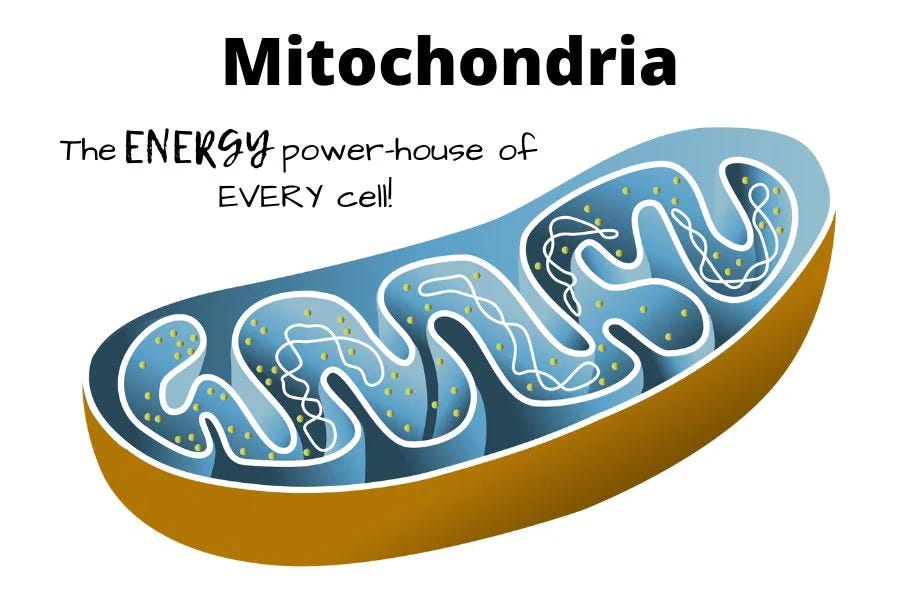
Mitochondria are often called the “powerhouses of the cell”, but they’re far more than little batteries. These tiny organelles generate ATP (adenosine triphosphate), the fuel that powers every heartbeat, every muscle contraction, every thought. Without mitochondria, life as we know it doesn’t exist.
But mitochondria aren’t just energy producers. They regulate cell survival, detoxification, hormone balance, immunity, and even aging. When they thrive, you feel alive. When they fail, you get sick — fatigue, brain fog, metabolic disease, infertility, and even cancer are often rooted in mitochondrial dysfunction.
In other words: your health is only as strong as your mitochondria.
Why Modern Living Destroys Mitochondria
Our ancestors didn’t need to think about “mitochondrial health.” Their lifestyles naturally supported it. Ours does the opposite.
Here’s how the modern world quietly wages war on your mitochondria:
Seed oils & processed foods – create oxidative stress that burns out mitochondrial engines.
Plastics & toxins – endocrine disruptors clog enzymes and weaken cell respiration.
Blue light & screens – disrupt circadian rhythm, suppress melatonin, and impair mitochondrial repair.
Sedentary living – without movement, mitochondria don’t multiply or strengthen.
Chronic stress – high cortisol levels damage mitochondrial DNA and exhaust their energy production.
Medication overuse – many pharmaceuticals are mitochondrial toxins (statins, antibiotics, antidepressants).
The result? A generation running on half-charged batteries, wondering why life feels exhausting.
The Consequences of Mitochondrial Dysfunction
When your mitochondria falter, the consequences are not just feeling a bit “tired” — it’s the unraveling of your body’s entire operating system. These tiny organelles dictate energy, detox, repair, and survival. Without them functioning at their peak, the human body becomes a house with the lights dimming room by room until the system goes dark.
Here’s what happens when mitochondria break down:
Chronic Fatigue & Brain Fog
The first signs are subtle but devastating: constant fatigue, lack of drive, and that heavy mental cloud where focus and memory slip away. Why? Because the brain and muscles demand massive amounts of energy. When mitochondria sputter, the brain can’t keep up with thought and the body can’t keep up with life. That “always tired, always drained” feeling isn’t laziness — it’s cellular power failure.
Mental Health Collapse
Depression, anxiety, and mood instability often trace back to mitochondrial dysfunction. Neurotransmitters like dopamine and serotonin rely on ATP to be synthesized and transported. No ATP, no balance. Modern medicine throws pills at the brain — but if the root problem is weak mitochondria, no drug will fix the dimming spark.
Insulin Resistance & Diabetes
Glucose metabolism is a mitochondrial job. When they’re broken, cells can’t burn sugar efficiently, leading to high blood sugar, insulin resistance, and eventually diabetes. This isn’t just about carbs — it’s about engines that can no longer handle the fuel.
Heart Disease
The heart is the most mitochondria-dense organ in the body. Every beat depends on endless ATP production. When mitochondrial health collapses, heart failure, arrhythmias, and cardiovascular disease follow. It’s no coincidence that heart disease is the number one killer in the modern world.
Cancer Development
Cancer is not random. When mitochondria lose their ability to use oxygen properly, cells shift into fermentation mode(the Warburg effect). That’s the biological foundation of cancer: mitochondria too damaged to control growth and repair, leaving chaos behind. This is why mitochondrial health is at the root of cancer prevention.
You can read more about cancer prevention in this article:

Neurodegeneration & Aging
Alzheimer’s, Parkinson’s, dementia — all tied to mitochondrial breakdown. When neurons can’t fuel themselves, they literally wither. Aging itself is, in large part, mitochondrial decline. Wrinkles, slower recovery, weaker immunity — all of it tied to fading cellular fire.
Infertility & Reproductive Crisis
Eggs and sperm are powered almost entirely by mitochondria. Without strong ones, conception fails, pregnancies struggle, and generational health declines. Our ancestors didn’t have fertility clinics — they had strong mitochondria.
Weakened Immunity
White blood cells need energy to hunt, attack, and neutralize pathogens. When mitochondrial energy is low, the immune system is sluggish, infections linger, and autoimmune conditions can spiral out of control.
Ancestral & Holistic Ways to Heal Mitochondria
If mitochondrial dysfunction is at the root of so many modern diseases, then healing them is not optional — it’s essential. Our ancestors, without even knowing the word mitochondria, lived in ways that kept these tiny engines thriving for generations. Their food, their rhythm of life, their relationship with nature — all aligned with what modern science is only now rediscovering.
Here’s how you can reclaim your mitochondrial power:
Keep reading with a 7-day free trial
Subscribe to Ancestral Healing to keep reading this post and get 7 days of free access to the full post archives.